 About Us
 Email an Agent

 Click to Call
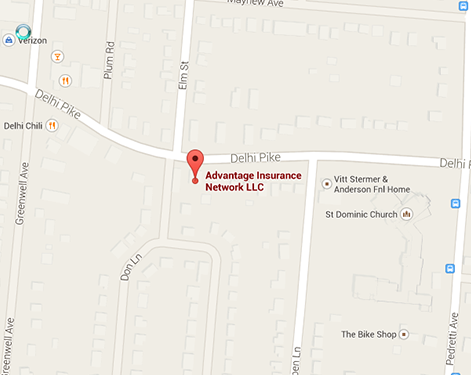
 Get Directions
testimonials
LATEST INSURANCE NEWS
Life and Health Insurance
- Home »
- Life & Health Insurance
Life & Health insurance: protection for you and your family
Whether you are looking for affordable life insurance, short-term health insurance while you're between jobs, health insurance from the Marketplace, or the options available for all your Medicare needs, Advantage Insurance Network has you covered. We represent many top life insurance and health insurance companies. Our agents can evaluate your needs and identify solutions to meet your needs and your budget. Let us shop your life insurance and health insurance needs!
LIFE INSURANCE: PROTECTION FOR YOUR FAMILY
Life insurance is an important investment that can provide peace of mind for you and your loved ones. There are several types of life insurance policies available, each with its own benefits and drawbacks. Here's a breakdown of the three main types of life insurance: term life, whole life, and universal life.
- Term Life Insurance
Term life insurance is the most basic and affordable type of life insurance. It provides coverage for a specific period of time, usually between 10 and 30 years. If the policyholder dies during the term, the death benefit is paid to the beneficiary tax-free. Term life insurance is a good option for those who want coverage for a specific period, such as the length of a mortgage or until their children are grown and financially independent. It's also a popular choice for those on a budget, as it has lower premiums than other types of life insurance.
One thing to keep in mind with term life insurance is that it doesn't build cash value. This means that if the policyholder outlives the term, they won't receive any money back.
- Whole Life Insurance
Whole life insurance is a type of permanent life insurance that provides coverage for the policyholder's entire life. It also includes a savings component called cash value, which grows over time. Whole life insurance has higher premiums than term life insurance, but the premiums remain the same throughout the policyholder's life. The policyholder can borrow against the cash value or use it to pay premiums.
Whole life insurance is a good option for those who want lifelong coverage and a savings component. It's also a good option for those who want to leave an inheritance or provide funds for final expenses.
- Universal Life Insurance
Universal life insurance is a type of permanent life insurance that offers more flexibility than whole life insurance. Policyholders can adjust their premiums and death benefit amounts over time. Like whole life insurance, universal life insurance includes a savings component called cash value. However, the cash value grows at a variable interest rate and the policyholder can invest the cash value in different investment options.
Universal life insurance is a good option for those who want lifelong coverage and flexibility. It's also a good option for those who want to use the savings component to build wealth.
Life insurance is an important investment that can provide financial security for you and your loved ones. Term life insurance is a good option for those who want coverage for a specific period of time, while whole life insurance is a good option for those who want lifelong coverage and a savings component. Universal life insurance is a good option for those who want lifelong coverage and flexibility. It's important to speak with a licensed insurance agent to determine which type of life insurance is right for you.
HEALTH INSURANCE: protection for you & your family
Health insurance is essential for any individual, regardless of the situation. Even if you and your loved ones are currently in good health, insurance should always consider the possibility that an emergency may arise. You cannot predict when an illness will develop or when a broken bone may occur. Having coverage for the situation will ensure that you will never need to worry about the risks.
SHORT TERM HEALTH INSURANCE COVERAGE
Short-term health insurance is a type of temporary health insurance coverage that provides benefits for a limited period of time, typically up to 12 months. It is designed to provide coverage for unexpected medical expenses during transitional periods, such as when you're between jobs or waiting for other coverage to start.
Short-term health insurance plans typically offer fewer benefits than traditional health insurance plans and may have higher deductibles and copayments. They may also have limitations on pre-existing conditions, and may not cover certain services, such as maternity care.
Because short-term health insurance plans offer limited coverage, they are typically less expensive than traditional health insurance plans. They can be a good option for those who are in good health and need temporary coverage. However, it's important to carefully review the plan details and limitations before enrolling to ensure that it meets your specific needs.
Affordable Healthcare act Coverage
The Affordable Care Act (ACA), also known as Obamacare, is a federal law that was enacted in 2010 to make healthcare more accessible and affordable for Americans. The ACA includes several provisions designed to improve healthcare coverage and access, including:
- Health insurance marketplace: The ACA created a marketplace where individuals and small businesses can shop for affordable health insurance plans. The marketplace offers a variety of plans with different levels of coverage and costs, and provides financial assistance to those who qualify based on income.
- Pre-existing conditions: The ACA prohibits health insurance companies from denying coverage or charging higher premiums based on pre-existing conditions, such as diabetes or cancer.
- Essential health benefits: The ACA requires health insurance plans to cover essential health benefits, including preventative care, prescription drugs, and maternity care.
It's important to speak with a licensed insurance agent at Advantage Insurance Network to determine your options for affordable healthcare coverage.
Medicare insurance products
The agents at Advantage Insurance Network realize that with all of the available options within the Medicare program, this can be overwhelming and confusing. We are here to help you navigate all of the options available to you including:
medicare advantage plans
Medicare Part C, also known as Medicare Advantage, is a type of Medicare health plan offered by private insurance companies that contracts with Medicare to provide Part A and Part B benefits. Medicare Advantage plans can also offer additional benefits beyond what Original Medicare covers, such as prescription drug coverage, dental, vision, and hearing benefits.
Here's what you need to know about Medicare Part C:
- How does Medicare Advantage work?
When you enroll in a Medicare Advantage plan, you still have Medicare, but your Medicare benefits are provided by a private insurance company. You will still have to pay your Part B premium, but some Medicare Advantage plans have a $0 premium.
- What benefits do Medicare Advantage plans offer?
Medicare Advantage plans must cover all the services that Original Medicare covers, but they can also offer additional benefits such as prescription drug coverage, dental, vision, and hearing benefits. Some Medicare Advantage plans also offer wellness programs and other services to help you manage chronic conditions.
- How do you enroll in a Medicare Advantage plan?
You can enroll in a Medicare Advantage plan during the Annual Enrollment Period (AEP), which runs from October 15th to December 7th each year. You can also enroll in a Medicare Advantage plan during your Initial Enrollment Period (IEP) when you first become eligible for Medicare, or during the Special Enrollment Period (SEP) if you have a qualifying life event, such as moving to a new area or losing your employer-sponsored health coverage.
- What are the different types of Medicare Advantage plans?
There are several types of Medicare Advantage plans, including Health Maintenance Organizations (HMOs), Preferred Provider Organizations (PPOs), Private Fee-for-Service (PFFS) plans, Special Needs Plans (SNPs), and Medical Savings Account (MSA) plans. Each plan has its own rules about which doctors, hospitals, and other providers you can see.
In conclusion, Medicare Part C, or Medicare Advantage, is a type of Medicare health plan offered by private insurance companies that contracts with Medicare to provide Part A and Part B benefits. Medicare Advantage plans can offer additional benefits beyond what Original Medicare covers, such as prescription drug coverage, dental, vision, and hearing benefits. It's important to understand the rules, costs, and restrictions of each Medicare Advantage plan before enrolling. Contact Advantage Insurance Network to discuss how a Medicare Advantage plan can benefit you.
medicare supplements (medigap)
Medicare Supplements, also known as Medigap, are health insurance plans that are designed to help cover the gaps in Original Medicare. Original Medicare (Parts A and B) covers many healthcare expenses, but it does not cover everything. Medicare Supplements are sold by private insurance companies and are designed to help pay for some of the out-of-pocket costs that Original Medicare does not cover, such as deductibles, copayments, and coinsurance.
There are ten standardized Medigap plans (labeled A, B, C, D, F, G, K, L, M, and N), each with its own set of benefits. All Medigap plans of the same letter offer the same standardized benefits, regardless of the insurance company that offers them. For example, Medigap Plan F offers the same benefits regardless of which insurance company you purchase it from.
It's important to note that Medicare Supplements only work with Original Medicare (Parts A and B), and cannot be used with Medicare Advantage plans. Additionally, Medicare Supplements do not cover services that are not covered by Original Medicare, such as dental, vision, or hearing care.
Overall, Medigap plans can be a good option for those who want to limit their out-of-pocket costs and have more predictable healthcare expenses. However, it's important to carefully review the plan details and costs before enrolling to ensure that it meets your specific needs.
medicare presription drug coverage
Medicare Part D is the prescription drug coverage program offered by the federal government to people who are enrolled in Medicare. It was created in 2003 under the Medicare Modernization Act and went into effect in 2006. Medicare Part D is available to everyone who is eligible for Medicare, regardless of income or health status.
Here's what you need to know about Medicare Part D:
- How does Medicare Part D work?
Medicare Part D is offered by private insurance companies that are contracted by Medicare. These companies offer plans that provide prescription drug coverage to Medicare beneficiaries. Each plan has a formulary, which is a list of drugs that are covered by the plan, and each plan can have its own premiums, deductibles, copayments, and coinsurance.
- When can you enroll in Medicare Part D?
You can enroll in a Medicare Part D plan during your Initial Enrollment Period (IEP), which is the seven-month period that begins three months before your 65th birthday month and ends three months after your 65th birthday month. You can also enroll in a Medicare Part D plan during the Annual Enrollment Period (AEP), which runs from October 15th to December 7th each year, or during a Special Enrollment Period (SEP) if you have a qualifying life event, such as losing your employer-sponsored health coverage.
- What are the costs of Medicare Part D?
The costs of Medicare Part D can vary depending on the plan you choose. Each plan can have its own premiums, deductibles, copayments, and coinsurance. The federal government sets a standard initial deductible each year, but plans can choose to have a lower deductible or no deductible at all. Once you reach the deductible, you will pay a copayment or coinsurance for each prescription drug.
- What drugs are covered by Medicare Part D?
Each Medicare Part D plan has its own formulary, which is a list of drugs that are covered by the plan. The formulary can change from year to year, so it's important to review your plan's formulary each year during the Annual Enrollment Period to make sure the drugs you need are still covered.
- What happens if you don't enroll in Medicare Part D?
If you don't enroll in a Medicare Part D plan when you are first eligible and don't have other creditable prescription drug coverage, you may have to pay a late enrollment penalty if you enroll later. The penalty is 1% of the national base beneficiary premium for each month you were eligible but didn't enroll in a Part D plan.